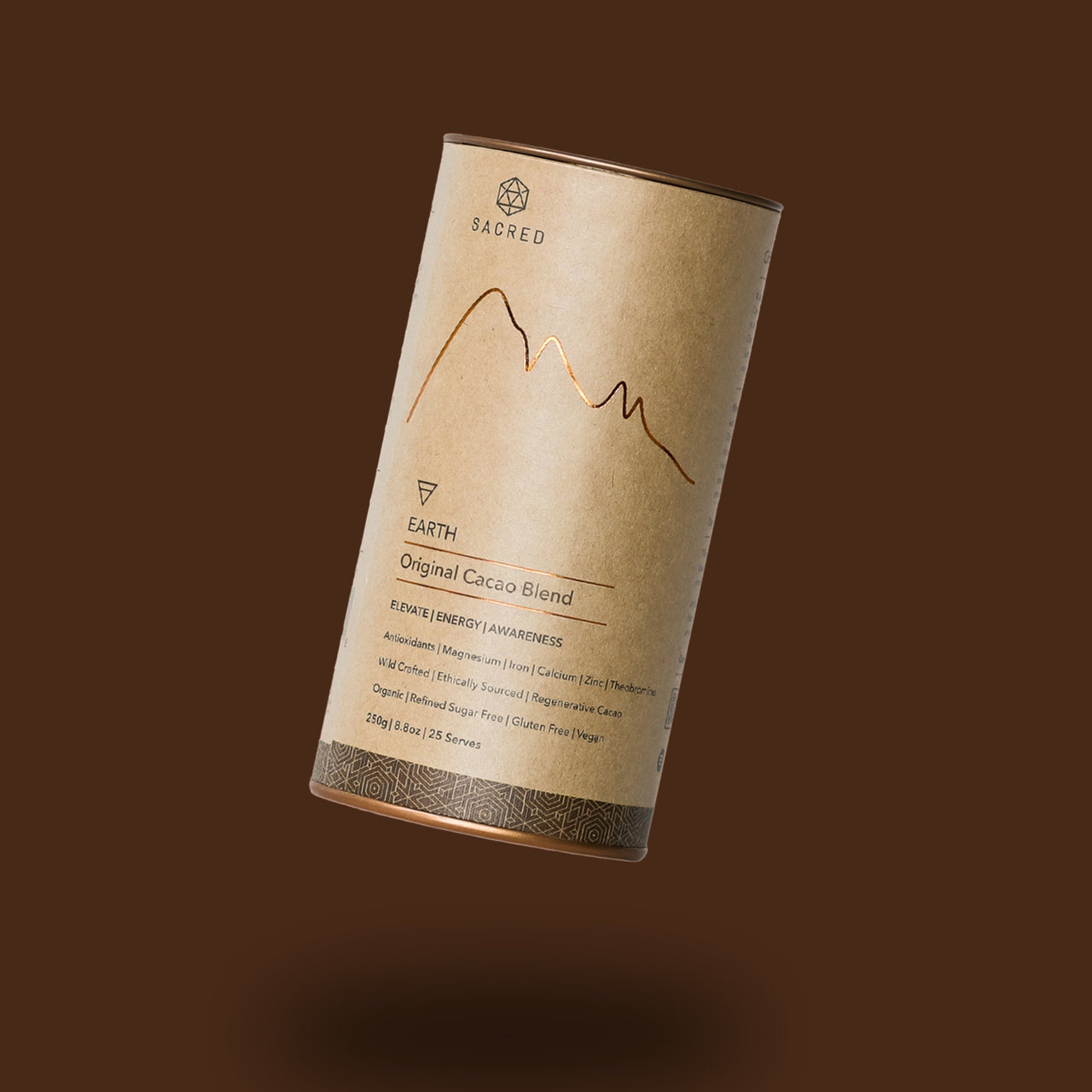









We’ve all been there. You wake up groggy, the sun barely creeping over the horizon, and the first thing you reach for is your trusty cup of coffee, hoping it will shake off the sleep and jumpstart your day. But what if you’ve been missing out on a gentler option that packs a serious nutritional punch? Enter cacao – often seen as the dark, slightly indulgent cousin of coffee.
Coffee has long held the title of the go-to morning pick-me-up, but cacao is gaining recognition as a wellness powerhouse with benefits that go beyond the average cup of joe. So, what’s the real difference between these two? And more importantly, which one is the healthier option for your mind, body, and soul?
In this post, we’ll break down the health impacts of both cacao and coffee, comparing everything from their stimulant effects to their cardiovascular benefits, so you can make an informed choice the next time you reach for a drink. Let’s dive in.
How Cacao And Coffee Impact Your Mood And Stress Levels?

When it comes to boosting mood and managing stress, both coffee and cacao offer unique benefits. But how each one affects your mental state is quite different, and the results can vary depending on your body’s reaction to the compounds in these drinks.
Coffee’s Potential To Boost Stress Hormones
Let’s be honest – coffee is often the quick fix for tackling stress. When the pressure is on and you need to power through, a cup of coffee feels like the best ally. Caffeine has the ability to increase levels of epinephrine (adrenaline) and cortisol, which are known as stress hormones. These chemicals activate the “fight or flight” response, preparing your body for action.
But while coffee might seem like an instant mood booster, it can actually backfire if consumed too frequently. I’ve noticed that on days when I’ve had too much coffee, my anxiety tends to spike. I get that rush of energy, but it feels more like being hyper-aware of every little thing around me, which isn’t always productive. Too much caffeine can elevate cortisol levels, leading to heightened stress and even insomnia. Over time, high caffeine intake can exacerbate symptoms of anxiety and even contribute to feelings of burnout.
If you're someone who’s working on tight deadlines or juggling multiple responsibilities, coffee might give you the initial mental boost you need. But, if you find yourself feeling more anxious after your morning cup, it’s worth considering that caffeine might be overstimulating your body, increasing your stress rather than relieving it.
Cacao’s Calming Influence: Reducing Stress With Magnesium
On the other hand, cacao provides a much calmer approach to stress management. Unlike coffee’s sharp spike in cortisol, cacao is packed with magnesium, a mineral that plays a key role in relaxing your muscles and calming your nervous system. I first realised this when I switched to drinking cacao during a particularly stressful week at work. I didn’t have that wired feeling that comes with coffee, but I noticed that my stress levels were much easier to manage. The effects were subtle but noticeable – I felt more at ease, even with tight deadlines looming.
The theobromine in cacao also helps lower cortisol, which adds to its overall calming effect. In fact, I’ve found that sipping on cacao, especially in the evenings, can help me unwind without keeping me up all night. If you're someone who experiences stress in the form of anxiety, cacao might be the more gentle choice. It doesn't push your body into high alert like coffee can; instead, it offers a smoother, more relaxed energy that can actually help ease tension.
Imagine you're heading to work on a Monday morning. You've got a big presentation in the afternoon, and you know it's going to be a stressful day. You could reach for your usual coffee to get that instant boost. But perhaps try something different. Opt for a warm cup of cacao. After a few sips, instead of feeling jittery, you feel more centred, and that calm focus helps you present confidently without the spikes of anxiety that a caffeine rush might have triggered.
Cardiovascular Health Benefits: Which One Is Better For Your Heart?
When it comes to maintaining a healthy heart, both coffee and cacao offer some significant benefits. However, the way they work and the extent of their impact can vary greatly, and each drink has its own set of advantages that can support long-term cardiovascular health.
Coffee’s Role In Cardiovascular Health
Coffee, as it turns out, is more than just an energy booster. It’s packed with powerful antioxidants, particularly chlorogenic acid (CGA), which have been linked to various cardiovascular benefits. Studies show that CGA may help lower blood pressure and reduce the risk of heart disease by improving the function of blood vessels.
I remember a conversation with a friend who had recently switched to drinking coffee for its health benefits. He was thrilled to discover that, in addition to the caffeine perk, it seemed to help him feel a bit more energised during his morning runs. Turns out, coffee has some surprising vascular perks, as CGA is thought to help relax blood vessels, allowing for improved circulation and reduced blood pressure.
But there’s a catch: coffee can also have some adverse effects on the heart, particularly for those sensitive to caffeine. It has been shown to temporarily raise heart rate and blood pressure, which can be problematic for individuals with pre-existing hypertension or other cardiovascular conditions. For example, I’ve noticed that when I drink coffee on an empty stomach or in excess, I often feel my heart race a little faster, which isn’t ideal for maintaining a steady pace during physical activity.
Additionally, unfiltered coffee contains compounds called cafestol and kahweol, which, in large amounts, can raise LDL cholesterol levels. For most people, moderate coffee consumption doesn't lead to drastic negative effects, but it’s something to be mindful of, particularly if heart health is a concern.
Cacao’s Heart-Healthy Flavonoids
Cacao, on the other hand, is a true powerhouse when it comes to cardiovascular health. The flavonoids present in cacao – such as epicatechin and catechins – are potent antioxidants that have been shown to have a significant impact on vascular health. These compounds work by improving blood flow, reducing inflammation, and lowering blood pressure. Unlike coffee, cacao’s benefits are more direct and consistent, especially when consumed regularly.
I’ve found that when I incorporate cacao into my diet (in its pure, minimally processed form), it doesn’t just satisfy my sweet tooth – it actually makes me feel like I’m doing something positive for my body. There’s no jitteriness or quick rise in heart rate, just a smooth, steady energy that feels more in sync with the natural rhythm of the day.
In one study I came across, regular cacao consumption was linked to a reduced risk of cardiovascular disease, thanks to its flavonoids’ ability to protect lipids from oxidative damage. Cacao’s high magnesium content is another win for heart health. Magnesium plays a crucial role in regulating heart rhythm and reducing blood pressure – two key factors in maintaining a healthy cardiovascular system.
If you’re after a beverage that offers heart benefits without the temporary spikes and crashes of caffeine, cacao might just be the better option. It’s not just about the antioxidants – the additional nutrients like potassium and copper found in cacao also help promote blood vessel health and vascular function.
Nutritional Content: Which Drink Packs The Better Nutritional Punch?
When we think about the nutritional value of what we consume, we often look at the vitamins, minerals, and overall health benefits a food or drink provides. Coffee and cacao, while both delicious, come with vastly different nutritional profiles, each offering unique benefits and drawbacks.
Coffee’s Nutritional Profile
At first glance, coffee doesn’t seem like a nutrient-dense beverage. It’s often consumed in a hurry, with a dash of milk or sugar, or perhaps just black with nothing added. While coffee is indeed relatively light on the nutrient front, it does provide some benefits, particularly in the form of antioxidants. In fact, for many people, coffee is one of the largest sources of antioxidants in their diet, contributing to cellular health and offering protection against oxidative stress.
From my personal experience, I’ve noticed that black coffee can give me a clean, almost refreshing feeling, especially when I’ve cut back on sugar. But aside from antioxidants, coffee doesn't provide much in the way of essential vitamins and minerals. It does contain small amounts of vitamin B2 (riboflavin), which supports energy production, as well as trace elements like iron, zinc, and manganese. However, coffee doesn’t pack the punch of other drinks when it comes to vitamins or minerals that support overall health.
Nutrient Comparison:
- Antioxidants: Coffee contains a significant amount of antioxidants, particularly chlorogenic acid.
- B-vitamins: Small amounts of vitamin B2, along with trace amounts of B3 and B5.
- Trace minerals: Includes small amounts of copper, iron, magnesium, and manganese.
Cacao’s Nutritional Powerhouse
In contrast, cacao (especially in its purest, least processed form) is a nutritional powerhouse. The dense, rich composition of cacao means that it offers a wealth of minerals, antioxidants, and essential vitamins, making it far more nutritionally complete than coffee.
One of the most notable aspects of cacao is its magnesium content. This mineral is essential for muscle function, regulating blood pressure, and supporting the nervous system. I’ve personally noticed that on days when I choose cacao over coffee, I feel less jittery and more focused – likely thanks to the magnesium, which supports nerve and muscle relaxation. But that’s not all. Cacao also contains iron, copper, potassium, and zinc, all of which contribute to everything from oxygen transport and immune health to bone strength and cellular repair.
Additionally, cacao offers a variety of B vitamins, which play crucial roles in energy metabolism, brain function, and red blood cell production. Compared to coffee, cacao provides a far richer and more balanced mix of nutrients. It’s no wonder that many people who incorporate cacao into their diet often report feeling better overall – it’s like giving your body a nutrient-packed hug.
Nutrient Comparison:
- Magnesium: Cacao is an excellent source of magnesium, supporting muscle and nerve health.
- Iron: Higher in iron than coffee, helping with oxygen transport and energy production.
- Copper and Potassium: Important for cardiovascular and bone health.
- Zinc: Supports immune health and cellular repair.
- B-vitamins: Includes a wide range of B-vitamins for energy metabolism and brain function.
A few months ago, I decided to swap my usual coffee for cacao during a particularly busy week when I was juggling multiple work deadlines. To my surprise, not only did I feel more alert, but my overall energy levels were steadier throughout the day. I didn’t experience the mid-afternoon slump that I used to get with coffee. The rich, almost decadent taste of cacao felt indulgent, yet it provided sustained focus, without the need for refills or that inevitable crash that comes with coffee.
Brain And Cognitive Function: Which Drink Boosts Your Mental Performance?

Both coffee and cacao are famous for their stimulating effects on the brain. But beyond just keeping us awake, they each provide unique cognitive benefits. From enhancing memory and focus to protecting against neurodegenerative diseases, the two drinks have distinct roles in supporting brain health.
Coffee’s Short-Term Cognitive Enhancement
It’s no surprise that coffee is widely regarded as the ultimate brain booster. The caffeine in coffee is well-known for its ability to increase alertness, improve concentration, and enhance reaction times. I’ve often found that after my morning cup of coffee, I feel more "switched on" and able to tackle tasks that require a higher level of attention. Whether it’s getting through a long work meeting or finishing a project that requires a lot of focus, coffee is my go-to.
The reason caffeine is so effective is that it blocks the activity of adenosine, a neurotransmitter that promotes sleep and relaxation. This blockage causes an increase in other brain chemicals, such as dopamine and norepinephrine, which enhance focus and mood. However, the effects are short-lived. After about an hour or two, I’ve noticed that the initial burst of energy tends to wear off, and I’m often left feeling a bit drained.
In addition to the cognitive boost, some studies suggest that regular coffee consumption may be linked to a lower risk of developing neurodegenerative diseases like Alzheimer's and Parkinson’s. The antioxidants in coffee, especially chlorogenic acid, help protect the brain from oxidative stress, which can contribute to cognitive decline as we age.
Cacao’s Long-Term Brain Protection
On the other hand, cacao’s effects on the brain are less about a quick cognitive boost and more about long-term brain health. Cacao’s flavonoids, particularly epicatechins and catechins, are known to cross the blood-brain barrier and increase blood flow to the brain. This increased circulation enhances cognitive function, particularly in areas associated with memory, learning, and focus.
I had a moment when I decided to add a warm cacao drink to my evening routine as a more calming option to wind down. I was surprised by how well it helped me stay focused on tasks like reading and problem-solving, without the over-caffeinated rush I sometimes get from coffee. It wasn’t just the energy it gave me – cacao's neuroprotective effects seemed to be working silently in the background, protecting my brain from long-term damage.
Moreover, the high levels of flavonoids in cacao have been shown to protect brain cells from oxidative stress and inflammation, which are common contributors to age-related cognitive decline. Studies have suggested that regular consumption of cacao can improve working memory and protect against neurodegenerative conditions.
Imagine you’re working on a big project that requires both short-term concentration and long-term cognitive endurance. On one day, you start your morning with coffee – you feel sharp, focused, and alert for the first few hours. But as the day wears on, the effects start to fade, and you find it harder to concentrate.
The next day, you opt for cacao. It provides a smoother, more sustainable level of alertness, and you notice that not only are you able to maintain your focus throughout the day, but your mental clarity doesn’t fluctuate as it does with coffee. Plus, you realise that the cacao drink is helping to support long-term brain health, reducing the risk of cognitive decline in the years to come.
Calories, Sugar Content, And Overall Health Impact: Which One Is Healthier For Your Body?
When it comes to making a decision about which drink is healthier, looking at the caloric value and sugar content is essential. These factors play a significant role in how both coffee and cacao impact your overall health, particularly if you're trying to manage weight or avoid spikes in blood sugar levels.
Coffee: Low-Calorie, But Watch The Additives
Coffee in its purest form – black, no sugar or cream – is incredibly low in calories. A standard 8-ounce cup of black coffee has just two calories, making it a great option for those who are watching their caloric intake.
I’ve found that on days when I’m trying to keep my diet light and avoid excess sugar, a cup of black coffee fits perfectly into my routine. It provides the energy boost I need without adding to my daily calorie count. However, the calorie count can quickly climb if you start adding cream, sugar, or flavoured syrups.
The problem with coffee is that many people tend to load their cups with milk, sugar, or flavoured syrups, which significantly increases the calorie count. For example, a large café-style latte or cappuccino can easily contain 150-250 calories, and some fancy iced coffee drinks with whipped cream and syrups can skyrocket to over 500 calories. That’s something to keep in mind if you're regularly indulging in these sweeter coffee options.
Additionally, many coffee drinks are sweetened with refined sugar, which can spike your blood sugar levels. Over time, high sugar consumption can lead to weight gain and increase the risk of conditions like type 2 diabetes. I’ve made a conscious effort to limit the sugar in my coffee by opting for unsweetened options or switching to a plant-based milk that has no added sugar.
Cacao: A Richer, Higher Caloric Option
Cacao, in its purest form, is packed with nutrients but does come with a higher caloric value compared to coffee. The caloric content of cacao depends on the form in which you consume it. Pure unsweetened cacao powder typically has around 12 calories per tablespoon, but the sugar content can vary significantly depending on the product you choose.
When I first started drinking cacao regularly, I gravitated toward dark chocolate or pure cacao powder to enjoy its health benefits without the added sugars of milk chocolate. However, it was a learning process, as many of the store-bought varieties of cacao-based drinks or chocolates are sweetened, which can drive up the calorie count significantly. A dark chocolate bar, for example, can easily contain around 200-300 calories per serving, especially if it’s mixed with milk or other sweeteners.
On the flip side, if you’re drinking pure cacao without the added sugar, it can be a nutrient-dense option that gives you more health benefits with fewer calories than milk or white chocolate alternatives. For instance, a hot cacao drink made from pure cacao powder, unsweetened almond milk, and a dash of cinnamon has a rich, comforting taste while remaining low in calories. It’s not just about satisfying a craving for chocolate, but also about offering your body a boost of magnesium, iron, and flavonoids.
Sugar Content: The Hidden Culprit
The key concern with both coffee and cacao comes down to sugar. While coffee itself is low in sugar, many people opt for coffee drinks that are heavily sweetened. Likewise, with cacao, the temptation is often to reach for a sweetened version that doesn’t offer the full nutritional benefits of the pure form.
If you’re like me, you’ve probably indulged in the occasional mocha – a blend of coffee and chocolate – but if you're watching your sugar intake, these drinks can be problematic. For example, a mocha can contain up to 30 grams of sugar in just one 12-ounce serving, which can quickly push you over your recommended daily limit for sugar consumption.
On the other hand, pure cacao is relatively low in sugar – but again, this depends on how you consume it. When opting for cacao, it’s important to look for products that are unsweetened or minimally sweetened, as many commercial chocolate products contain high amounts of sugar that can lead to the same health concerns associated with sugary coffee drinks.
Energy Levels, Sleep Quality, And Overall Wellness: Which Drink Supports Your Long-Term Health?
When it comes to deciding between coffee and cacao, it’s not just about the immediate boost they provide. It’s about how they fit into your long-term health goals, affecting your energy levels, sleep quality, and overall wellness. After all, we don’t just need short bursts of energy – we need drinks that help us maintain balance throughout the day and support our well-being in the long run.
Coffee: The Energy Burst And Its Impact On Sleep
Coffee is often the first thing many of us reach for when we need that quick burst of energy. As I mentioned earlier, caffeine works quickly by blocking adenosine receptors, making you feel awake and alert. For people like me, who have long, demanding workdays, coffee is a quick fix to get me through a busy morning or afternoon slump. It’s the kind of energy that feels instant – and often, it’s exactly what you need in the short term.
However, this quick boost can come at a cost to your sleep quality. I’ve noticed that when I drink coffee late in the afternoon, the effects linger longer than I’d like. Even though caffeine typically has a half-life of around 3-5 hours, I can feel its impact well into the evening, especially if I’ve had more than one cup. This affects my sleep quality, making it harder to fall asleep and get the restful, restorative sleep my body needs.
For individuals with sleep issues or sensitive sleep patterns, coffee might interfere more significantly. I know a few people who swear by their morning cup of coffee but find themselves tossing and turning all night long. If your sleep is important to you and you’re someone who struggles with insomnia or late-night restlessness, cutting back on caffeine – or opting for a less stimulating drink like cacao – could improve your sleep quality.
Cacao: A Steady, Calming Energy Without The Crash
On the other hand, cacao offers a much steadier and longer-lasting energy without the sharp peaks and crashes associated with coffee. As I switched from coffee to cacao during a particularly stressful period in my life, I noticed that I didn’t feel the sudden exhaustion that would hit me after my caffeine-fueled highs. Cacao’s theobromine provides a gentler, more sustained form of energy. I could work through the day, stay focused, and still feel calm – no jitters or overactive mind.
This steadier energy makes cacao a great choice for those who need to maintain a balance throughout the day. The magnesium content in cacao also plays a big part in keeping your body relaxed and your energy levels more constant. I found that this calming effect helped me stay productive without feeling overstimulated. Unlike coffee, I didn't have to worry about the afternoon crash, and I noticed a reduction in fatigue by the end of the day.
Let’s say you’ve had a long week, and you're feeling worn out. You’ve been relying on coffee for that quick energy fix to get through work, but it's starting to mess with your sleep, leaving you more tired than usual. You decide to make a change: for one week, you switch your afternoon coffee for a warm cup of unsweetened cacao. By the end of the week, you notice a difference. Your energy levels are more consistent, you’re no longer feeling drained by the afternoon, and best of all, your sleep quality improves. You wake up feeling more refreshed and ready to tackle the day – all thanks to cacao’s gentler, sustained energy release.
The Bigger Picture: Cacao’s Impact On Overall Wellness
Beyond just energy and sleep, cacao’s nutrient density plays a huge role in supporting your overall wellness. Cacao is loaded with antioxidants, magnesium, and other vital minerals that contribute to muscle health, blood circulation, and heart function. I’ve personally felt the effects of these nutrients when I switched from a purely caffeine-based routine to one that included cacao. Not only did I feel more mentally clear and focused, but I noticed I had fewer aches and pains in my muscles and joints.
Additionally, cacao's neuroprotective effects are a great long-term benefit. The flavonoids in cacao have been shown to improve blood flow to the brain, which supports cognitive health and protects against age-related cognitive decline. For someone like me, who’s passionate about maintaining a sharp mind as I age, cacao’s potential to protect brain cells and promote mental wellness is an added bonus that coffee simply can’t match.
In the ongoing debate of cacao versus coffee, both drinks offer unique health benefits tailored to different needs. Coffee is a quick, powerful stimulant that can improve alertness and concentration, making it ideal for short-term energy and mental clarity. However, its high caffeine content can disrupt sleep, cause anxiety, and lead to dependency when consumed excessively.
On the other hand, cacao provides a gentler, more sustained energy boost thanks to theobromine and magnesium. It also delivers a wider array of nutrients and antioxidants, supporting cardiovascular health, brain function, and overall wellness without the harsh spikes and crashes associated with caffeine. Plus, it’s less likely to cause sleep disruption or addiction.
Ultimately, the choice between cacao and coffee depends on your personal health goals and preferences. If you need quick energy and focus, coffee is your go-to. But for a more balanced, nutrient-packed option with long-term health benefits, cacao might just be the healthier choice.
Connect with Sacred
Instagram | Facebook | Pinterest
Article by Clare Lucas
Instagram | Website
References:
Hooper L, Kay C, Abdelhamid A, et al. Effects of chocolate, cocoa, and flavan-3-ols on cardiovascular health: a systematic review and meta-analysis of randomised trials. Am J Clin Nutr. 2012 Mar;95(3):740-51.
Di Lorenzo C, Colombo E, Biella S, et al. Effect of dark chocolate on plasma epicatechin levels, DNA resistance to oxidative stress and total antioxidant activity in healthy subjects. Br J Nutr. 2013 Jun;109(12):2196-202.
Ding M, Bhupathiraju SN, Chen M, et al. Caffeinated and decaffeinated coffee consumption and risk of type 2 diabetes: a systematic review and a dose-response meta-analysis. Diabetes Care. 2014 Feb;37(2):569-86.